
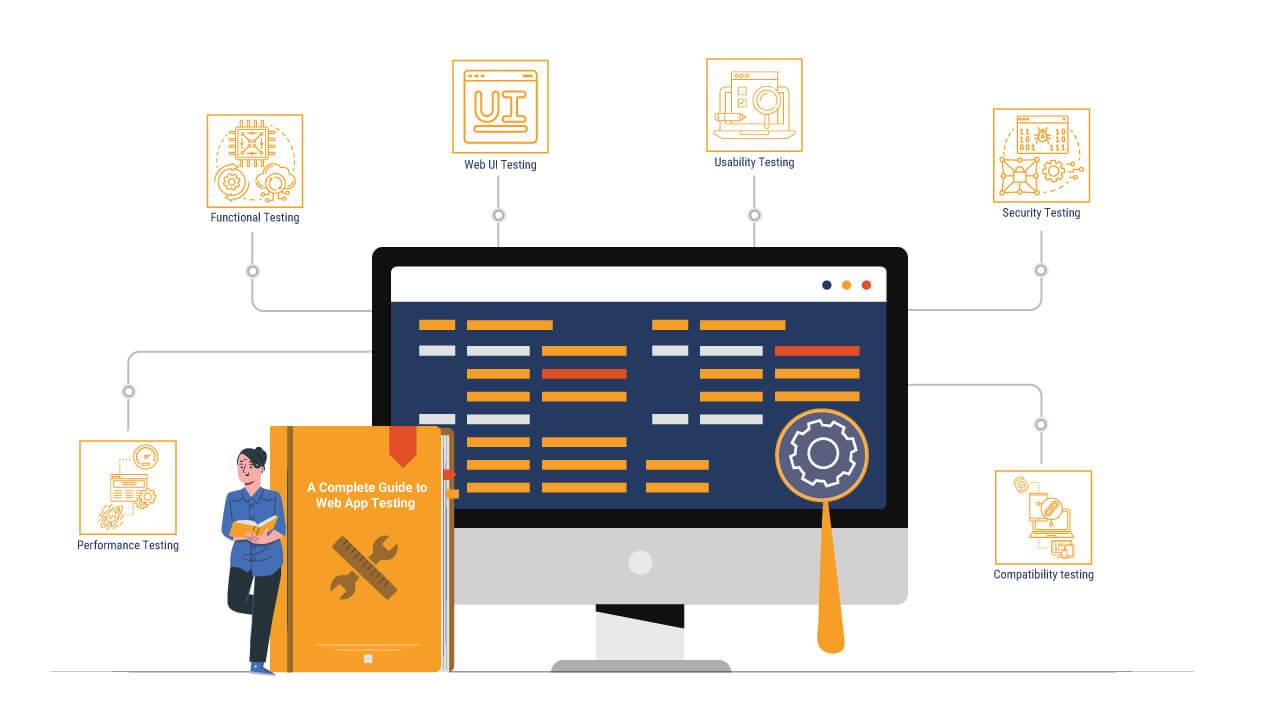
Web application penetration testing simulates real attacker behavior against your application layer. Scope should include all production-facing URLs, APIs, authentication flows, and admin interfaces. Exclude only what is explicitly out of scope—ambiguity leads to missed coverage and disputed findings.
Before testing begins, provide architecture documentation, test accounts with appropriate privilege levels, and a rules-of-engagement document that defines in-scope systems, testing windows, and emergency contacts. Testers need working credentials for each role tier: unauthenticated user, standard user, privileged user, and admin.
A good scope document also covers API endpoints, mobile app backends, and any GraphQL or WebSocket interfaces. Modern applications expose far more attack surface than their primary web UI suggests.
Testers typically focus on OWASP Top 10 categories: broken access control, injection flaws, cryptographic failures, and security misconfigurations. Business logic flaws—like payment manipulation, coupon abuse, or privilege escalation through parameter tampering—often yield the highest-impact findings.
Authentication and session management deserve deep scrutiny. Test password reset flows, MFA bypass scenarios, session fixation, and token handling. JWT implementations frequently contain algorithm confusion, weak signing, and excessive token lifetime issues.
API testing is increasingly central. Check for broken object-level authorization (BOLA), excessive data exposure, rate limiting gaps, and mass assignment vulnerabilities. Automated scanners miss most API logic flaws—manual testing is essential.
Findings should be prioritized by exploitability and business impact, not just CVSS score. A medium-severity logic flaw that allows unauthorized transactions may outweigh a low-risk informational header issue. Your remediation plan should reflect business risk, not scanner output alone.
Expect a debrief walkthrough with the testing team. Use this session to understand attack chains, reproduce findings, and clarify remediation guidance. Ask questions—good testers want you to fix the issues, not just receive a report.
The value of a pentest is in remediation. Assign owners, set deadlines, retest critical findings, and feed lessons learned back into your secure development lifecycle. Schedule the next test before the current one ends so security validation is continuous, not annual.